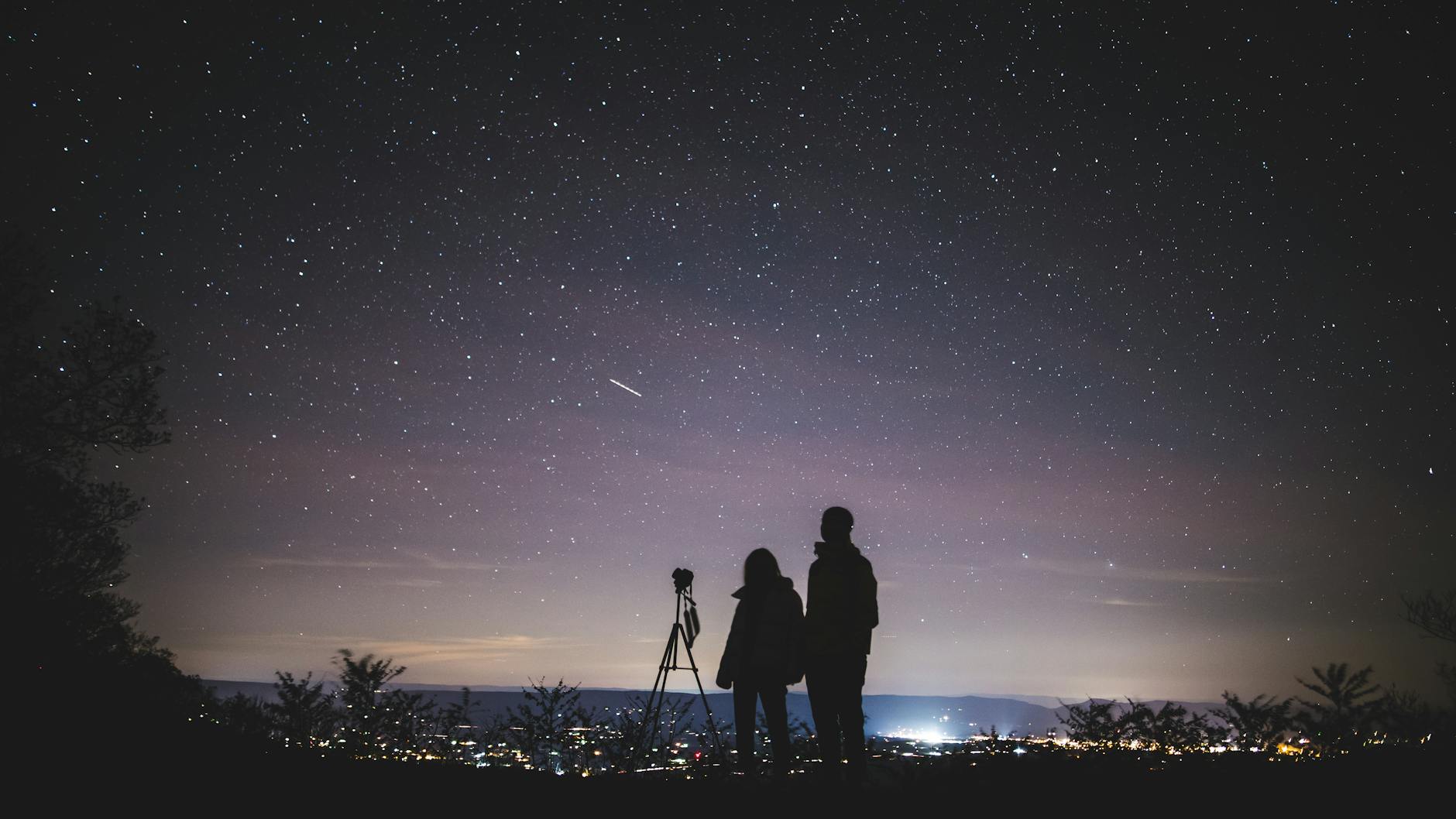
From golden moons and blazing meteors to rare planetary alignments, June 2025 promises an exciting month for skywatchers across India. Whether you’re an astronomy enthusiast, a nature lover, or just someone looking to pause and appreciate the night sky, these celestial events offer memorable moments and learning opportunities.
This guide includes everything you need to know—event descriptions, peak timings, visibility tips, and how to make the most of them from India.
1. June 1 – Venus at Greatest Western Elongation
- What’s Happening: Venus reaches its farthest point west of the Sun (45.4°), meaning it will be clearly visible in the eastern sky before sunrise.
- Best Viewing Time: 4:30 AM to 5:30 AM IST
- Where to Look: East horizon, just before dawn
- Why It’s Special: Venus will appear as a bright “morning star” — a brilliant white light outshining all other celestial objects (except the Moon).
- Equipment: No telescope needed, but binoculars enhance the view.
2. June 7 – Peak of Arietid Meteor Shower
- What’s Happening: The Arietids, one of the strongest daytime meteor showers, will peak on June 7.
- Activity Period: May 14 to June 24
- Peak Rate: Up to 50 meteors/hour during peak (in radio detection), but very few are visible with the naked eye.
- Best Viewing Time: Early morning around 4 AM—just before sunrise.
- Why It’s Special: Though mostly visible via radio observation, sharp-eyed observers in dark rural areas may catch fast streaks across the sky right before dawn.
3. June 8 – Mercury and Jupiter Conjunction
- What’s Happening: A close approach of Mercury and Jupiter in the evening sky.
- Best Viewing Time: 6:45 PM to 7:30 PM IST, low on the western horizon just after sunset.
- Where to Look: West-northwest
- Why It’s Special: The two planets will appear to be less than 1 degree apart—almost touching.
- Tip: Use binoculars or a telescope for a crisp view and try photographing this rare pairing.
4. June 11 – Full Strawberry Moon
- What’s Happening: June’s full moon, often called the Strawberry Moon, will rise in the southeast.
- Peak Illumination: Around 10:37 PM IST
- Why It’s Special:
- It will be the lowest full moon in nearly two decades.
- Due to its low position in the sky, it may appear larger and more golden than usual—an optical illusion known as the “moon illusion.”
- Cultural Note: Native American tribes named it “Strawberry Moon” as it marked the harvesting season for strawberries.
5. June 19 – Moon and Saturn Conjunction
- What’s Happening: The Moon will pass near Saturn in the early morning sky.
- Best Viewing Time: 3 AM to 5 AM IST
- Where to Look: East-southeast sky
- What You’ll See: Saturn as a bright yellowish “star” close to the crescent Moon.
- Telescope View: Saturn’s rings may be visible in larger amateur telescopes.
6. June 21 – Summer Solstice
- What’s Happening: The longest day of the year in the Northern Hemisphere.
- Exact Time: 2:13 PM IST
- Why It’s Special:
- Marks the official beginning of astronomical summer.
- In India, expect early sunrise (~5:15 AM) and late sunset (~7 PM).
- Fun Fact: On this day, the Sun is directly overhead at the Tropic of Cancer, which passes through central India.
7. June 23 – Moon and Uranus Close Approach
- What’s Happening: The Moon and Uranus will appear close in the sky.
- Best Viewing Time: Around 4:00 AM IST
- Where to Look: Eastern sky
- Visibility: Uranus is not visible to the naked eye; a telescope or good binoculars is required.
- Why It’s Notable: An opportunity to spot a distant planet near the crescent moon—a rare setup.
8. June 25 – New Moon Night
- What’s Happening: The Moon will not be visible, making it the darkest night of the month.
- Why It’s Special: Ideal for:
- Astrophotography
- Viewing deep sky objects like the Milky Way, nebulae, and star clusters.
- Best Locations: Dark-sky sites in rural Maharashtra, Ladakh, Himachal Pradesh, or parts of the Western Ghats.
9. June 27 – June Bootids Meteor Shower
- What’s Happening: The June Bootids, a lesser-known but unpredictable meteor shower, peaks on this date.
- Activity Period: June 22 – July 2
- Peak Rate: Typically 1–10 meteors/hour, but in rare years it has spiked unexpectedly.
- Best Viewing Time: Post-midnight to pre-dawn
- Where to Look: Northwest sky, near the constellation Bootes (above the Big Dipper)
- Why It’s Worth Watching: Past outbursts (e.g., in 1998) surprised observers with over 100 meteors/hour.
10. June 30 – Moon and Mars Conjunction
- What’s Happening: A close pairing of the Moon and Mars, best seen in the early hours.
- Best Viewing Time: 3 AM to 5 AM IST
- Where to Look: East-southeast sky
- Why It’s Special: While the lunar occultation of Mars is not visible in India, the close proximity will still be a treat.
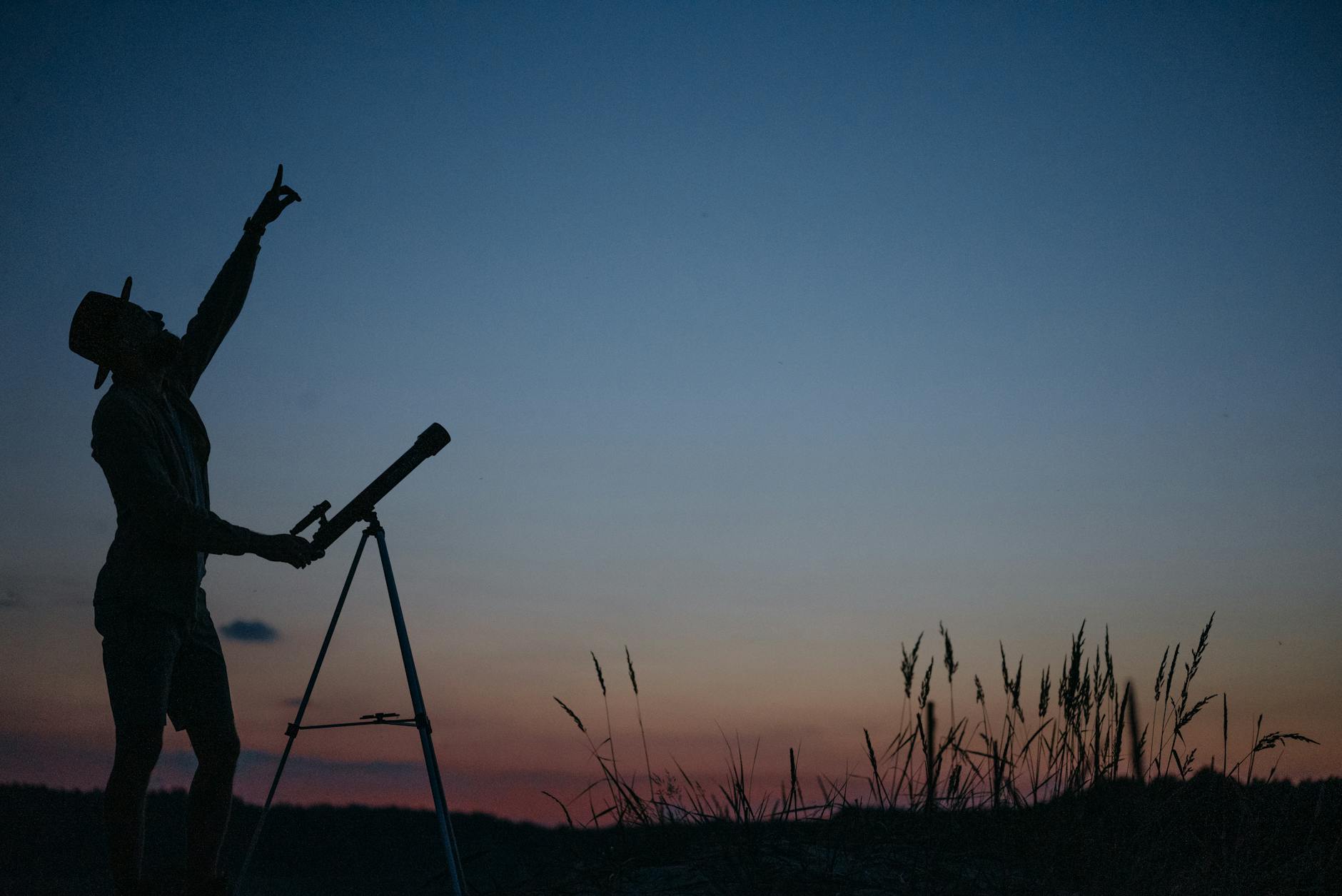
Bonus: Stargazing Tips for June 2025 in India
- Choose the Right Location
- Hill stations, rural areas, and coastal regions with low light pollution are best.
- Avoid cities during major events like the new moon.
- Use Stargazing Apps
- Try SkyView, Stellarium, or Star Walk to track objects in real-time.
- Binoculars vs. Telescopes
- Binoculars are great for the Moon, planets, and some clusters.
- For Saturn’s rings, Jupiter’s moons, and Uranus, use a telescope (6-inch or more).
- Check Local Weather
- Monsoon begins across many parts of India in June. Choose dates/locations with clearer skies like Ladakh, Rajasthan, or parts of Gujarat.
June 2025 is shaping up to be a stellar month for celestial exploration in India. Whether it’s a glowing Strawberry Moon, planets whispering to each other across space, or the chance flicker of a meteor overhead, these events connect us to something larger than ourselves.
So mark your calendars, step outside, and look up. The sky has stories to tell.
 TRAVELZILLA