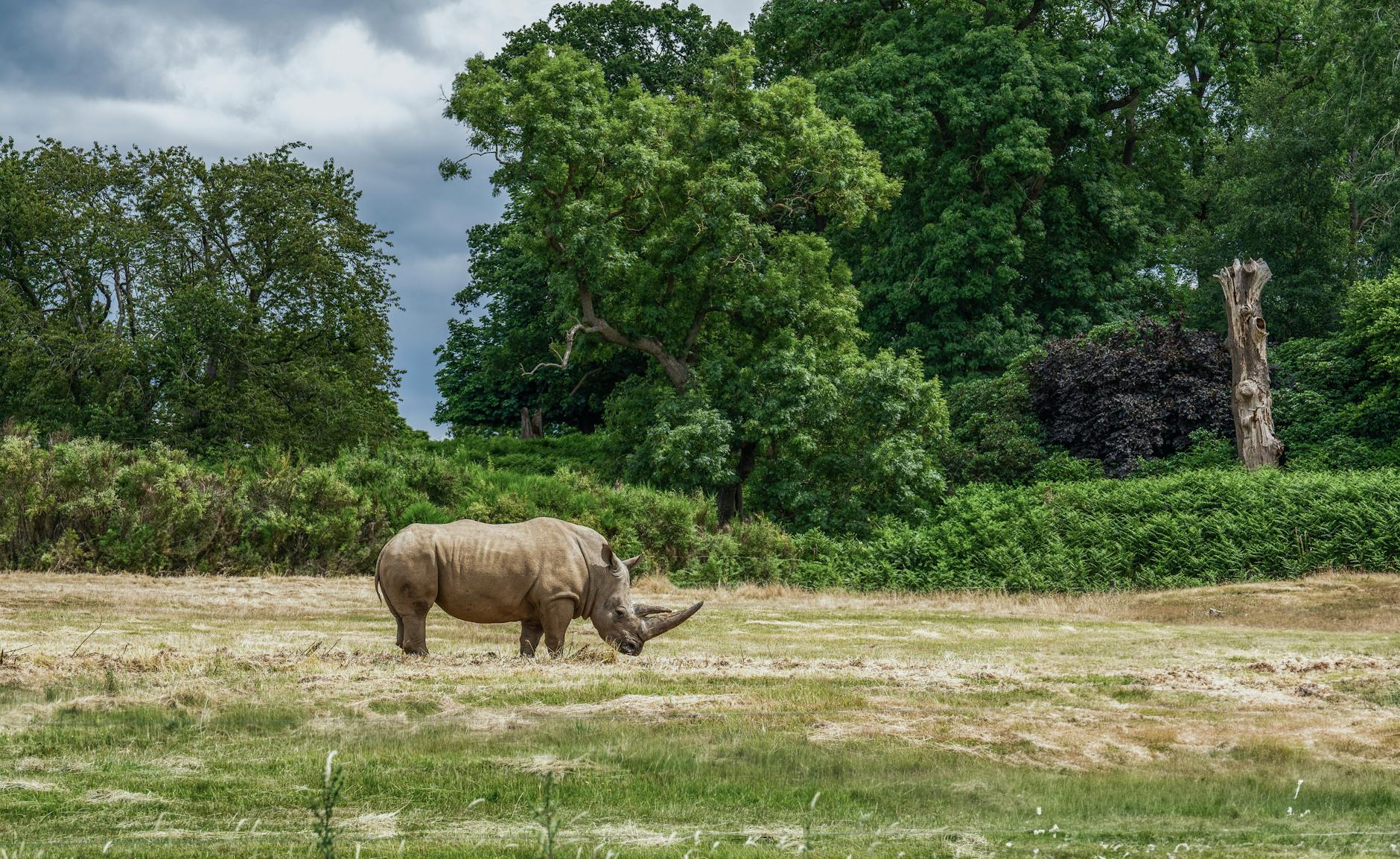
Nestled in the floodplains of the mighty Brahmaputra River in Assam, Kaziranga National Park is a world-renowned biodiversity hotspot and a UNESCO World Heritage Site. Best known as the home of the largest population of the Indian one-horned rhinoceros, Kaziranga is more than just a wildlife destination—it’s a journey through raw nature, rich culture, and wild beauty.
Whether you’re planning your first visit or looking to explore it in-depth, here’s everything you need to know to make the most of your trip to Kaziranga National Park.
Wildlife at Kaziranga National Park
Kaziranga is often referred to as the Serengeti of the East for good reason. It boasts the Big Five of Indian wildlife:
- One-Horned Rhinoceros: Kaziranga is home to more than 2,400 individuals, the highest population in the world.
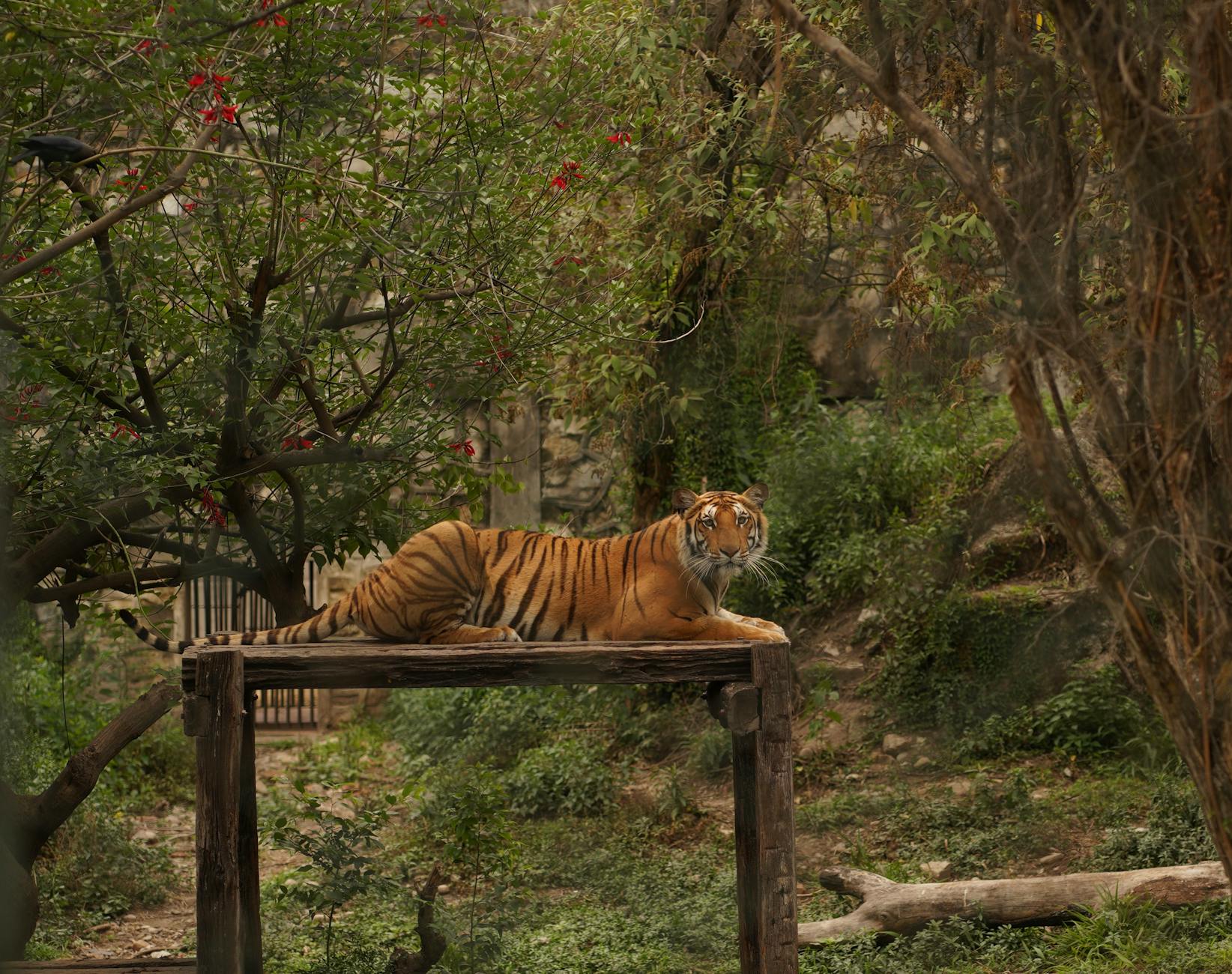
- Bengal Tigers: Although sightings are rare due to tall grasses, Kaziranga has a high tiger density.
- Wild Asiatic Water Buffaloes and Swamp Deer: Both found in healthy populations, especially in marshy areas.
- Asian Elephants: Often seen near water bodies or in large herds during morning safaris.
Besides these, the park is a haven for:
- Over 490 species of birds, including hornbills, pelicans, and migratory storks.
- Leopards, Hoolock Gibbons, Sloth Bears, Otters, and Monitor Lizards.
- Rare reptiles like the Assam Roofed Turtle and King Cobra.
Park: Safari and Zones
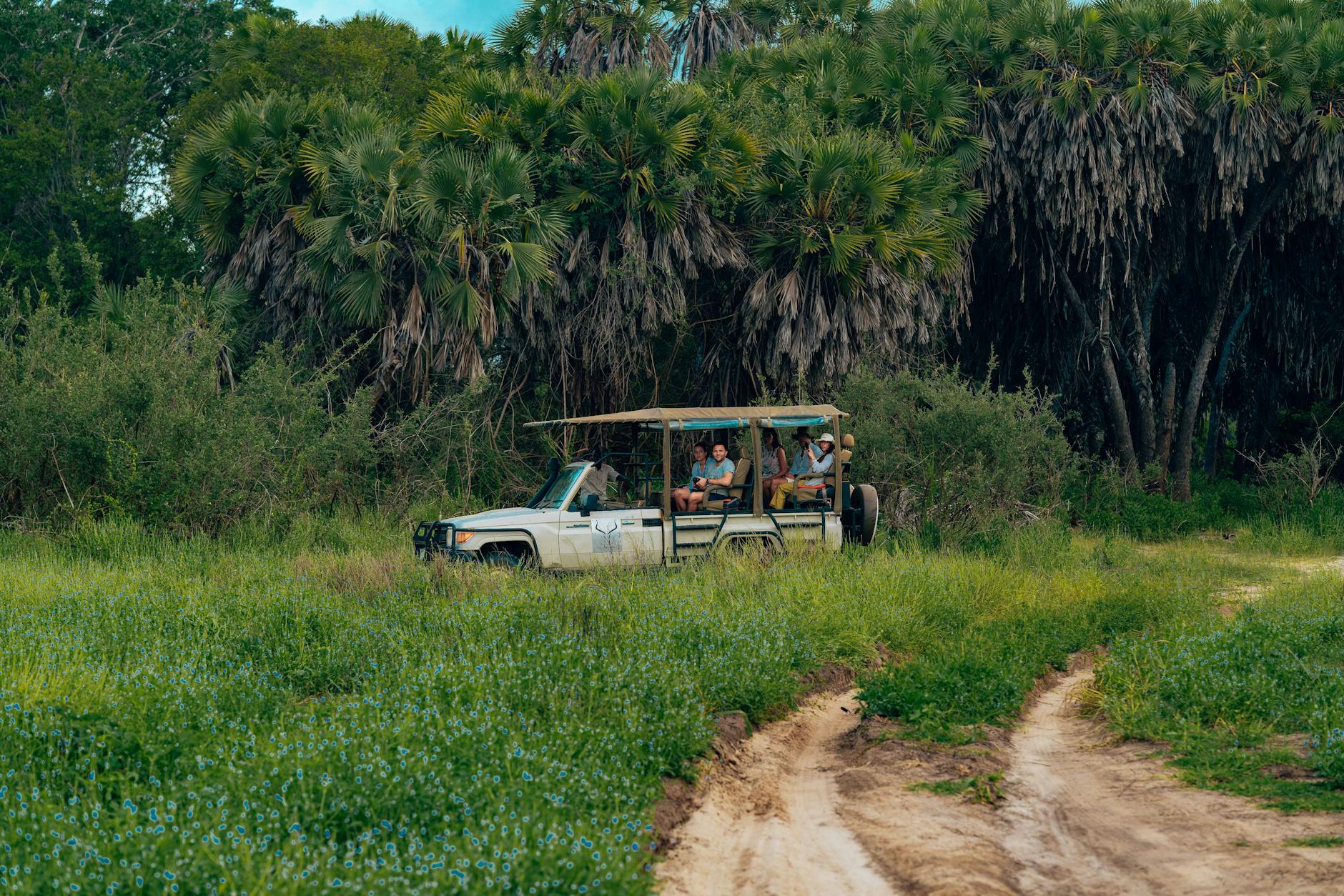
The park is divided into four safari zones, each offering a different experience:
- Central Zone (Kohora) – Most popular and accessible. Known for rhino sightings and birding.
- Western Zone (Bagori) – Excellent for elephant sightings and close rhino encounters.
- Eastern Zone (Agaratoli) – Best for birdwatchers and offbeat travelers.
- Burapahar Zone – Offers hilly terrain and trekking options with lesser crowds.
You can choose between:
- Jeep Safaris – Available in all zones, ideal for covering larger areas.
- Elephant Safaris – Limited to early mornings in select zones (usually Central or Western), allowing you to get very close to rhinos.
Timings:
- Morning safari: 7:30 AM – 10:00 AM
- Afternoon safari: 1:30 PM – 3:30 PM
(Subject to change with seasons. Always check locally.)
Cultural Experiences Around Kaziranga
Kaziranga is not just about wildlife. The surrounding villages are rich in Assamese culture and traditions.
- Folk Dance Shows: Watch Bihu dance performances and tribal drumming sessions in local cultural centers.
- Ethnic Cuisine: Try Assamese thalis with bamboo shoot curries, fish tenga, and rice beer.
- Crafts & Weaving: Visit local weaving villages to see how traditional gamochas and mekhela chadors are made.
Where to Stay in Kaziranga
Accommodation options range from eco-lodges to luxurious resorts:
Budget
- Bonhabi Resort
- Kaziranga Guest House
Mid-Range
- Wild Grass Lodge
- IORA – The Retreat
Luxury
- Diphlu River Lodge – A favorite of international travelers and dignitaries.
- Infinity Kaziranga Wilderness – Offers a forest-style luxury stay.
Staying in or near the Kohora zone is recommended for easy access and connectivity.
Places to Visit Near Kaziranga National Park
Extend your trip with nearby attractions:
- Kakochang Waterfalls (20 km): A scenic picnic spot tucked in the hills.
- Tea Gardens: Visit plantations around Bokakhat for a glimpse into Assam’s tea industry.
- Majuli Island (approx. 150 km): The world’s largest river island, known for its monasteries and culture.
- Deoparbat Ruins: An archaeological site with ancient temples and sculptures.
Tips for Visitors
- Book safaris in advance, especially during peak months (Nov–April).
- Dress in neutral colors to blend in with the surroundings.
- Carry binoculars and a good camera for birding and wildlife.
- Follow forest rules strictly – no loud noise, littering, or getting out of the vehicle during safari.
- Cash is essential, as many areas have limited card facilities.
Best Time to Visit Kaziranga National Park
- November to April is the best time when the park is open and wildlife is easily spotted.
- March and early April are especially pleasant, just before the summer heat.
- The park remains closed during the monsoon (May to October) due to flooding.
How to Reach Kaziranga National Park
- By Air: Nearest airport is Jorhat (96 km) or Guwahati (217 km).
- By Train: Nearest railway station is Furkating (75 km).
- By Road: Kaziranga is well connected by NH37, with regular buses and taxis from Guwahati, Jorhat, and Tezpur.
Kaziranga is not just a wildlife destination—it’s a complete ecosystem of natural beauty, Assamese hospitality, and quiet adventure. Whether you’re a nature lover, photographer, or cultural explorer, Kaziranga offers a refreshing alternative to commercial tourist spots. Plan wisely, travel respectfully, and you’ll come back with more than just memories—you’ll return with a connection to the wild heart of Assam.
 TRAVELZILLA