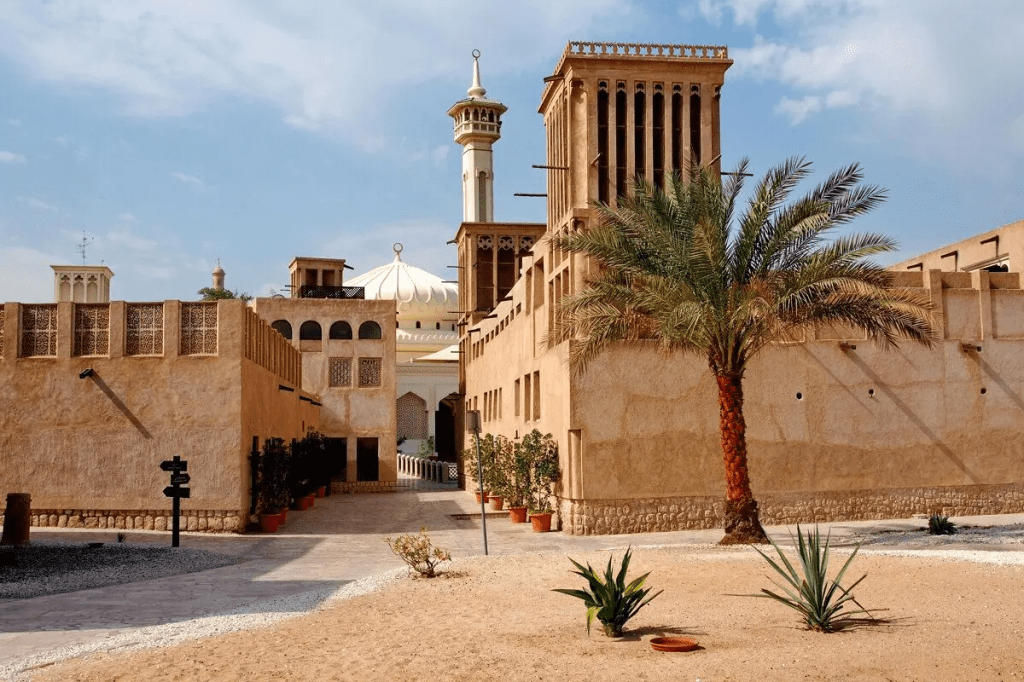
When most people hear the name Dubai, they picture glittering skyscrapers, luxury malls, and futuristic attractions. While modern Dubai is impressive, there’s another side to this vibrant city that history books often overlook—Old Dubai. This is where the city’s soul lives, where you’ll find winding alleys, traditional souks, historical buildings, and a glimpse into the past that tells the real story of Dubai before the oil boom and tourism explosion.
Spending a day in Old Dubai is like stepping into a different world—one where tradition, culture, and community still shape everyday life. Here’s what you can experience in a full day in this fascinating part of the city.
Morning: Walk Through the Al Fahidi Historical District
Start your day in Al Fahidi, one of the oldest neighborhoods in Dubai, also known as Al Bastakiya. Located along the Dubai Creek, this area is a preserved heritage site dating back to the late 19th century. What makes it special is its architecture—traditional wind towers, narrow lanes, and sand-colored buildings built from coral, stone, and wood.
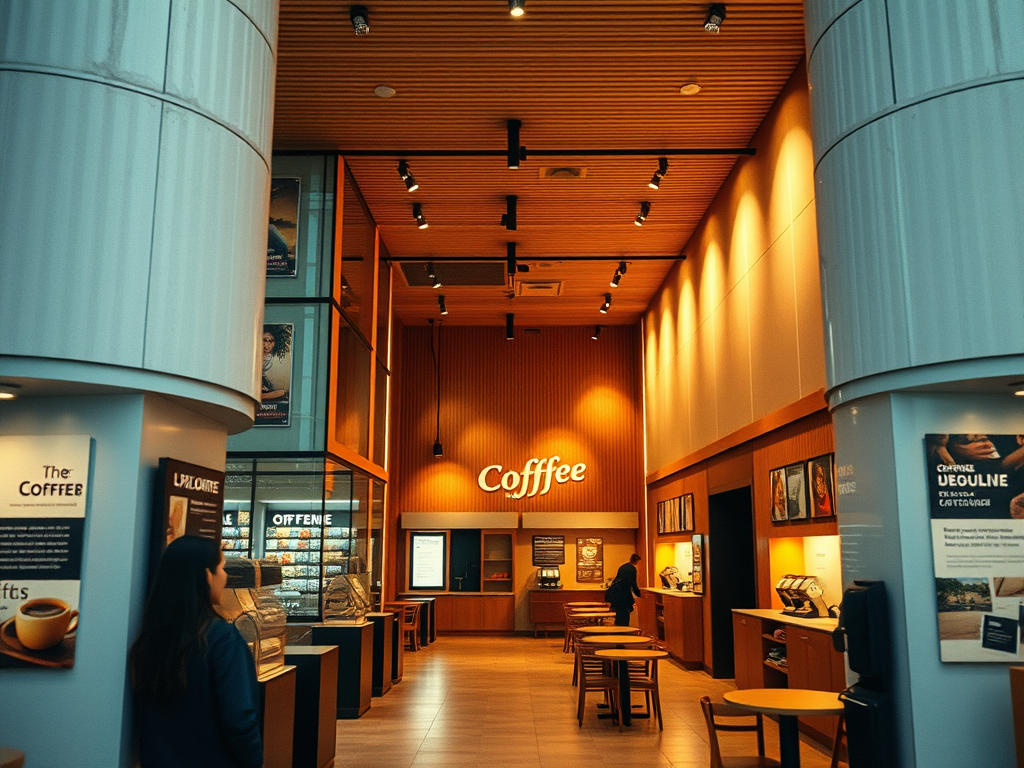
You won’t need a guide here. Just wander the quiet alleys and soak in the charm of a Dubai that once was. The buildings have been transformed into art galleries, museums, cafés, and cultural centers. The Coffee Museum is a favorite among visitors. Not only can you try traditional Arabic coffee, but you’ll also learn how coffee has played a role in Middle Eastern culture for centuries.
Another must-visit is the Sheikh Mohammed Centre for Cultural Understanding. They offer walking tours, cultural meals, and Q&A sessions where you can learn more about Emirati traditions, dress codes, and family life.
Mid-Morning: Cross the Creek by Abra
From Al Fahidi, walk down to the Dubai Creek, a saltwater inlet that was once the lifeline of the city. Before Dubai became a trade hub by air and land, the creek supported fishing, pearl diving, and sea trade with India, Iran, and Africa.
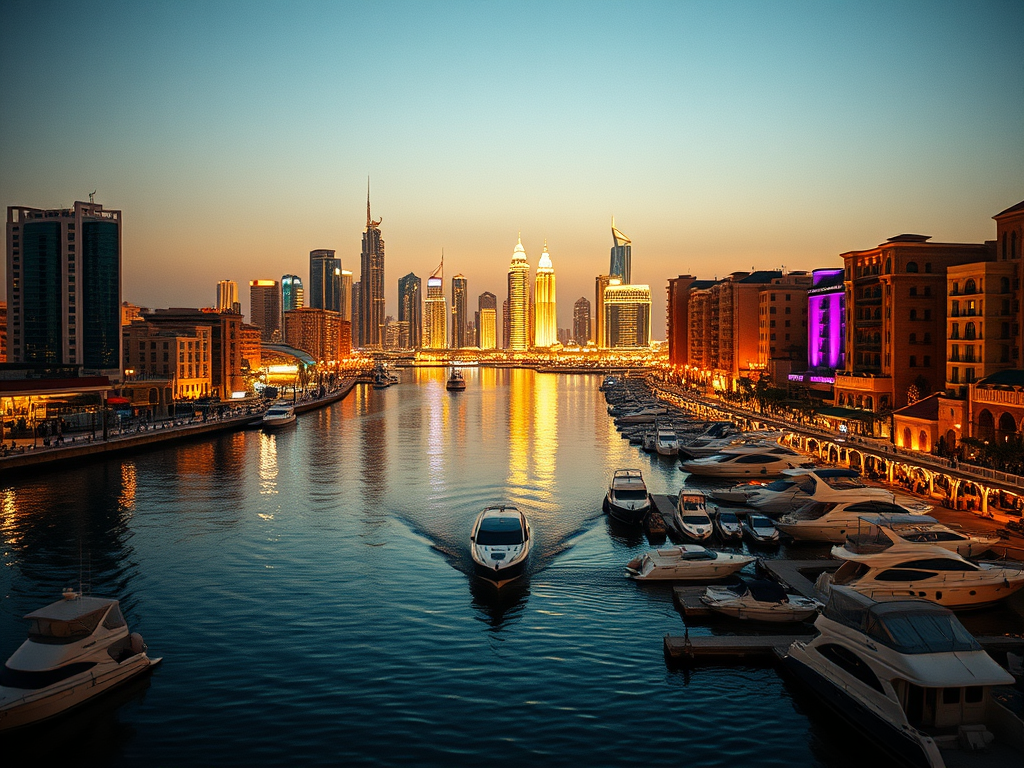
To really feel the spirit of Old Dubai, take an abra ride across the creek. An abra is a small wooden boat that ferries people from Bur Dubai to Deira for just one dirham. The ride is short—about 5 to 10 minutes—but the views are unforgettable. You’ll pass traditional dhows (cargo boats), bustling harbors, and maybe even see traders unloading goods just like they did decades ago.
Lunch: Taste Traditional Emirati Food
After the abra ride, head into Deira and stop for lunch at one of the local restaurants that serve authentic Emirati cuisine. While Dubai offers international food everywhere, eating a traditional meal in Deira connects you with the culture in a meaningful way.
Try dishes like Machboos (spiced rice with meat or seafood), Harees (a slow-cooked wheat and meat dish), or Luqaimat (sweet dumplings drizzled with date syrup). Restaurants like Al Fanar, Al Khayma Heritage Restaurant, or Logma offer traditional menus in a cultural setting.
Afternoon: Explore the Souks
After lunch, take a walk through the Deira Souks—Dubai’s most famous traditional markets. This part of the city is always buzzing, full of energy, color, and the scent of spices in the air.
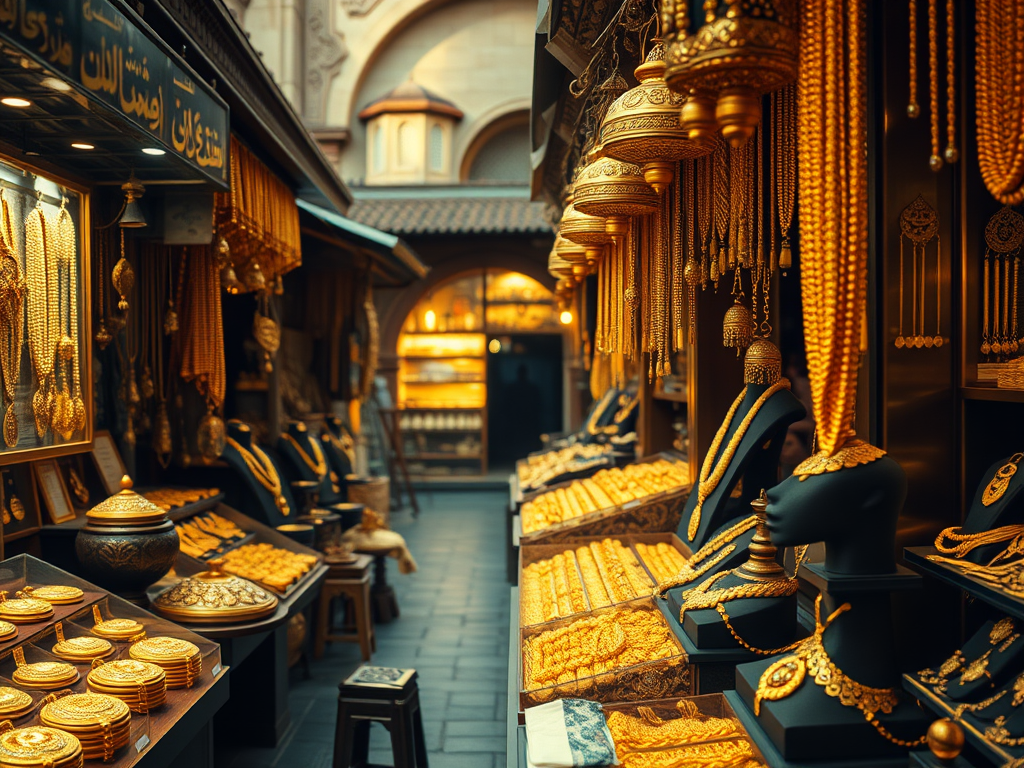
Start with the Gold Souk, where dozens of shops display intricate gold jewelry in their windows. Even if you’re not buying, it’s worth seeing the craftsmanship and how gold plays a big role in the culture, especially during weddings and festivals.
Next, head to the Spice Souk, located just a few steps away. Here, you’ll find sacks of saffron, cinnamon, cloves, rose petals, and traditional herbal blends. Don’t hesitate to chat with the vendors. They’ll explain how the spices are used in cooking or for health benefits. Many shops also offer samples or small tastings.
You can also explore the Perfume Souk and Textile Souk, both offering items you won’t find in malls. From handwoven fabrics to oud oils, these markets give you a sensory experience of Old Dubai.
Late Afternoon: Visit the Dubai Museum
Take an abra back to Bur Dubai and make your way to the Dubai Museum, located inside Al Fahidi Fort—the oldest existing building in Dubai. The fort itself is a historical monument, built in 1787 to defend the city from invaders. Today, it houses displays that walk you through Dubai’s transformation from a desert fishing village to a global metropolis.
The museum features lifelike dioramas of traditional Arab homes, mosques, souks, and desert life. There’s also a section on pearl diving, showcasing the tools and dangers of what was once Dubai’s most important industry. This museum may be small, but it offers deep insights into the challenges and triumphs of early Emirati life.
Evening: Stroll Along the Creekside Promenade
As the sun sets, the lights of the traditional dhows begin to twinkle on the water. Walk along the Creekside Promenade and enjoy the calm. The heat of the day starts to fade, and families come out for walks, children play, and the sound of prayer echoes from nearby mosques.
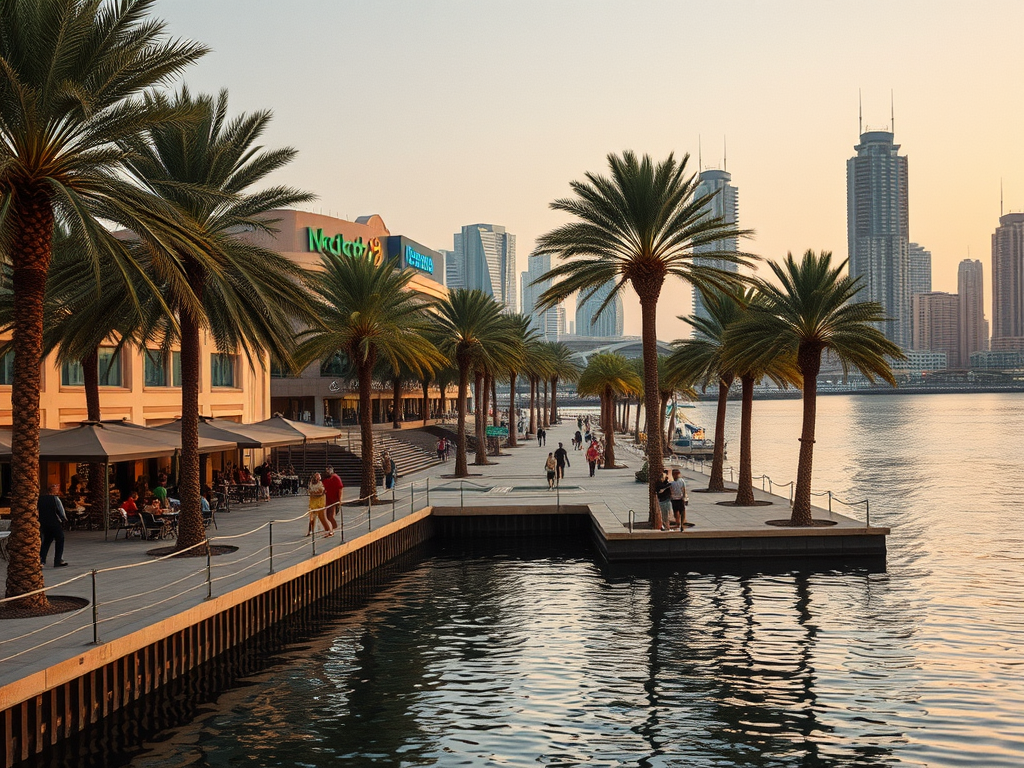
You’ll find small cafés and tea shops along the waterfront. Sit down, sip a cup of karak chai (spiced tea), and watch the abras go back and forth. It’s the perfect moment to reflect on your day in a part of Dubai that’s often overshadowed by luxury skyscrapers and artificial islands.
Why Old Dubai Matters
What makes Old Dubai different isn’t just its age. It’s the feeling of community and simplicity. This part of the city reminds you that Dubai is not just about the future—it also respects its past. Here, stories are told not in museums alone, but in the way people greet you, the shopkeeper offering you tea, the aroma of frankincense in the air, and the slow pace of life in a city known for speed.
History books may talk about trade routes and empires, but they rarely tell you what it feels like to sit under a wind tower as the call to prayer echoes through a stone alley. That’s the magic of Old Dubai—an experience you have to feel for yourself.
Final Thoughts
A day in Old Dubai doesn’t need a big budget or long travel plans. Everything is close, affordable, and easy to explore on foot. Whether you’re a first-time visitor or a frequent traveler to the UAE, Old Dubai offers a cultural immersion that balances the glitz of modern attractions with the grounded beauty of tradition.
So next time you’re planning a trip to the UAE, carve out a day to explore this lesser-known side of the city. You’ll walk away not just with photos, but with stories—and a much deeper understanding of Dubai’s roots.
 TRAVELZILLA