When most Indian travelers think about Southeast Asia, Thailand and Bali often top the list. But let me tell you, Vietnam is the hidden gem we’re slowly waking up to—and it has so much more to offer than we expect. From its warm people and scenic landscapes to its surprisingly vegetarian-friendly street food and affordable luxury, Vietnam is a country that both surprised and impressed me as a travel blogger from India.
Here’s what Indian travelers absolutely love about Vietnam—and a few things that caught me completely off guard.
1. The Warm Welcome and Respect for Tourists
Let’s start with the people. Vietnamese locals are among the most welcoming I’ve met on my travels. Whether it’s the young student helping you find your hotel, a street vendor offering you a discount with a smile, or your homestay host making sure you’re comfortable, the hospitality here is heartfelt.
What’s special is that Indian tourists are treated with a genuine sense of curiosity and respect. There’s no unnecessary haggling, no forced tips, and almost always, someone nearby is willing to help even if they don’t speak your language.
2. Vietnam is More Affordable Than You Think
Vietnam is shockingly affordable for Indian families. I stayed in a charming, clean, centrally located hotel in Hanoi for less than ₹2000 per night. Meals rarely cost more than ₹300-₹400 for two people at good local restaurants, and street food is even cheaper.
Transport between cities is cheap and efficient, especially with overnight buses and domestic flights. You can do an entire 7-day Vietnam tour at a mid-range budget that would barely cover 3 days in Europe.
3. Scenic Diversity That Rivals Europe
Indian travelers often look to Europe for mountains, rivers, and historic towns. But Vietnam offers all of this in its own unique Asian way.
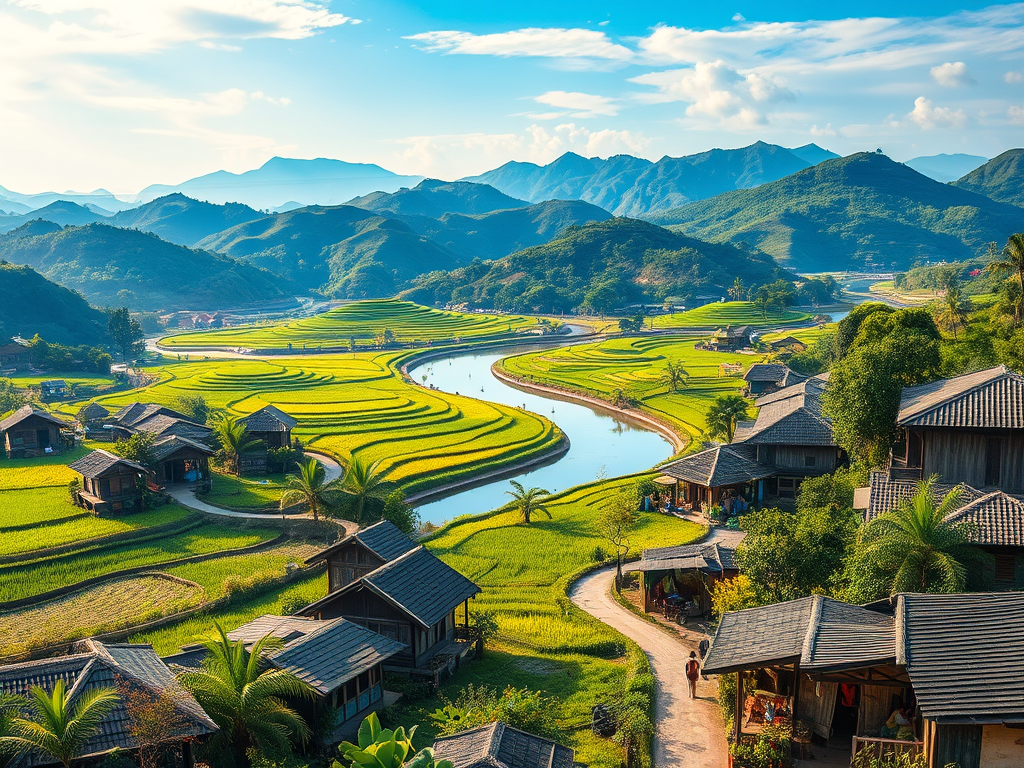
From the limestone karsts of Ha Long Bay, which look like floating mountains, to the misty rice terraces of Sapa, and the lantern-lit streets of Hoi An, every region offers something different.
And for beach lovers, Da Nang and Nha Trang are clean, family-friendly, and relaxing—without the crowds of Goa or Phuket.
4. Vegetarian and Vegan Food Is Actually Easy to Find
Before visiting, I was a bit anxious about food. Like many Indian travelers, I don’t eat beef, and I often prefer vegetarian meals. Vietnam surprised me in the best way.
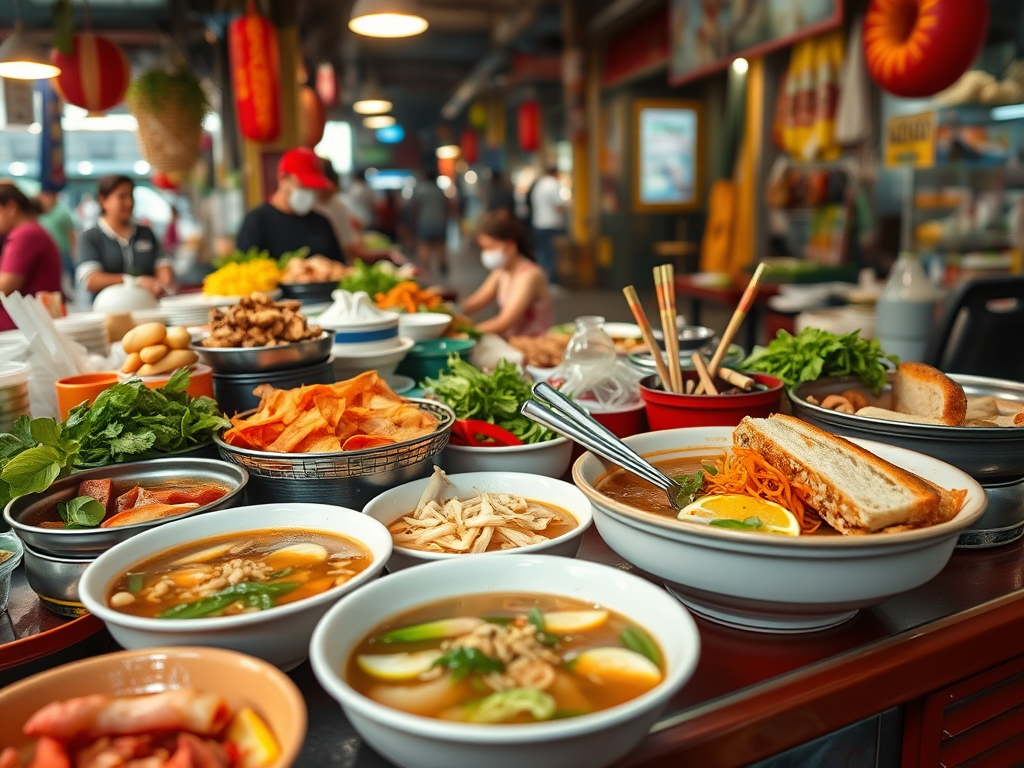
Tofu, mushrooms, and vegetable-based broths are widely used. Dishes like pho chay (vegetarian noodle soup), banh mi with tofu, and spring rolls stuffed with vegetables and vermicelli were easy to find, especially in Hanoi and Hoi An.
Also, Indian food is available in bigger cities. I saw multiple Indian restaurants in Ho Chi Minh City, Hanoi, and Da Nang, run by locals or expats from India.
5. Great Connectivity and Tourist Infrastructure
Vietnam understands tourists. Whether it’s free Wi-Fi almost everywhere, smooth internal flights, or helpful signage in English, the country is very traveler-friendly.
Apps like Grab (the local Uber), Google Translate, and even Zalo (a local messaging app) help a lot. SIM cards with data are cheap and easy to get right at the airport.
Booking tours to places like Ha Long Bay, Cu Chi Tunnels, or Mekong Delta is simple and affordable—you can book online, or ask your hotel and they’ll handle it for you without pushing overpriced options.
6. Safety and Cleanliness
Vietnam feels safe. Even while walking alone at night in cities like Hanoi or Hoi An, I never felt uneasy. Locals mind their business and crime rates against tourists are very low.
Cities are cleaner than expected. Public spaces are maintained well, and street vendors generally follow hygiene standards better than in many parts of Asia. Of course, it’s still best to drink bottled water and eat at busy stalls.
What Indian Travelers Don’t Expect (But Should Know)
Now let’s talk about the surprising bits—not deal-breakers, but definitely things to be aware of before you go.
1. Local Vietnamese Cuisine Is Quite Different
Yes, the food is tasty and healthy. But it’s also very light on spices. For those used to masaledar Indian curries, you might find the flavors too mild at first. Fish sauce is used frequently—even in some vegetarian-looking dishes—so you have to be specific while ordering.
Also, tea is mostly served without sugar, and coffee is very strong (but delicious). Try the egg coffee in Hanoi—it sounds strange but tastes amazing.
2. Language Barrier Can Be Real
In tourist areas, people speak decent English. But in smaller towns or local eateries, communication can be a bit tricky. That’s where translation apps help a lot.
It’s useful to carry a few basic phrases written in Vietnamese, especially if you have dietary restrictions. For example, the phrase “Tôi ăn chay” (I am vegetarian) can save you from confusion at restaurants.
3. Cultural Differences in Behavior
Vietnamese people are polite, but they may not always show emotions the way we do. Don’t be offended if someone doesn’t smile back or seems a bit serious—it’s just cultural.
Also, bargaining is not a common practice in supermarkets or restaurants. Only in local markets or souvenir shops can you negotiate—but even there, prices are fair.
4. Crossing the Road is an Art
Traffic in cities like Hanoi can look chaotic, but there’s a system to it. Vehicles don’t exactly stop for you—you just walk at a slow, steady pace and they go around you. Sounds terrifying, but it works. You get used to it quickly.
Final Thoughts
Vietnam is not just another country on the travel map—it’s an experience. For Indian families and first-time international travelers, it offers the perfect blend of affordability, comfort, culture, and scenic beauty.
What I loved most was the calm energy. Unlike more commercial tourist spots, Vietnam still retains a sense of authenticity. You feel like you’re discovering something new, rather than just ticking places off a list.
If you’re looking to travel after exams or take your family for a cultural yet budget-friendly holiday, Vietnam should definitely be on your radar. Just go with an open mind—and maybe carry a few packets of achar, just in case.
 TRAVELZILLA