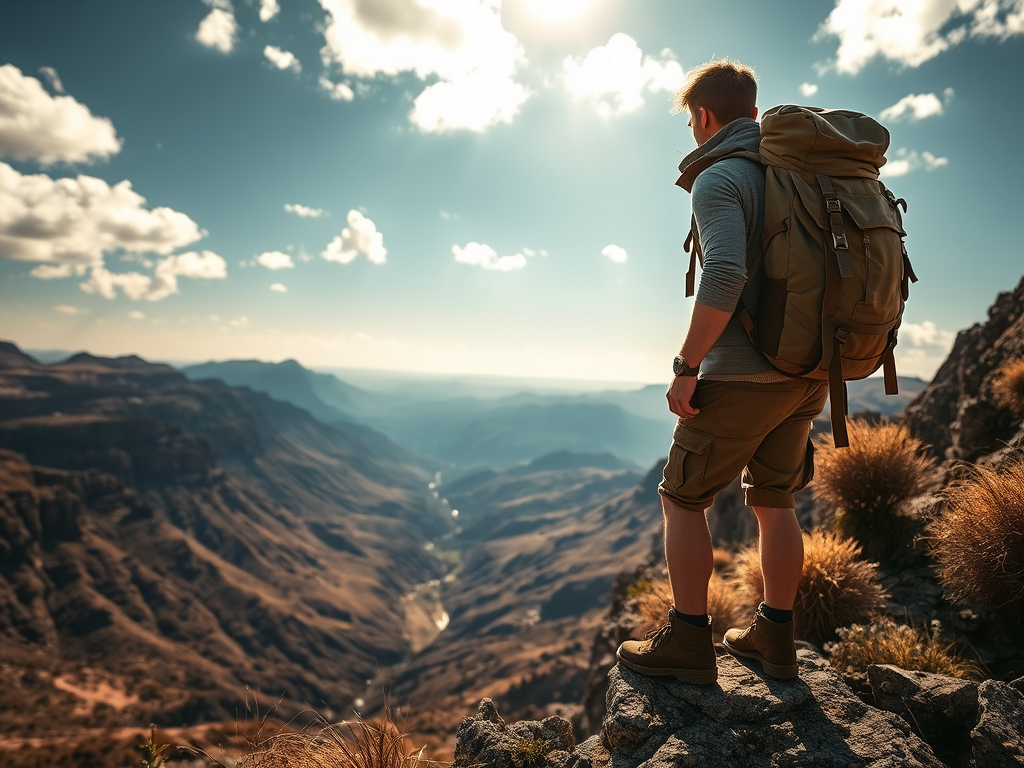
Long before GPS, luxury lounges, and Instagram check-ins, the world’s great explorers set off into the unknown—driven by curiosity, trade, and tales of faraway wonders. Today, you can walk in their footsteps, not just to see famous landmarks, but to experience the raw sense of discovery they once felt. Let’s trace the epic journeys of Marco Polo, Ibn Battuta, and the Silk Road—and how you can relive them today.
1. Marco Polo’s Route: From Venice to the Heart of Asia
Marco Polo’s 24-year journey took him from Venice through the Middle East and Central Asia all the way to China’s Yuan Dynasty court.
Modern Adventure:
- Start in Venice, Italy: Wander through the alleys and canals where Marco Polo was born. Visit the Marco Polo House and the Doge’s Palace.
- Pass through Istanbul, Turkey: A perfect East-meets-West gateway.
- Cross Central Asia: Explore the Silk Road cities of Samarkand and Bukhara in Uzbekistan—timeless bazaars, blue-tiled madrasas, and camel caravans still echo their legacy.
- Reach Xi’an, China: The ancient starting point of the Silk Road, where the Terracotta Army and Ming Dynasty walls await.
Insider Tip: Travel by train or overland routes for the most immersive, explorer-like experience.
2. Ibn Battuta’s Journey: The World’s Greatest Travelogue
Ibn Battuta, a Moroccan scholar, traveled over 75,000 miles in the 14th century—covering North Africa, the Middle East, Central Asia, India, Southeast Asia, and China.
Modern Adventure:
- Begin in Tangier, Morocco: Visit the Ibn Battuta tomb and museum.
- Cross to Cairo, Egypt: Just like him, experience bustling souks and Islamic architecture.
- Continue to Mecca and Medina, Saudi Arabia (pilgrimage permit required): As a devout Muslim, this was a key stop for Battuta.
- Sail to India: Experience old Delhi, the spice markets of Kochi, and explore ancient port cities that welcomed traders and scholars.
- End in the Maldives or Indonesia: Yes, he visited these remote islands too—long before they became tourist hotspots.
Fun Fact: He dictated his entire journey in the book Rihla, still read today by travelers and historians.
3. The Silk Road: An Ancient Trade Network Reborn
More than just a path for silk and spices, the Silk Road connected people, ideas, religions, and empires from China to Europe.
Modern Adventure:
- Kick off in Xi’an, China: Marvel at the Big Wild Goose Pagoda and walk the ancient city wall.
- Travel westward through Kyrgyzstan: Stay in yurts, trek in Tien Shan mountains, and visit ancient caravanserais.
- Stop in Iran (if politically possible): The city of Yazd still breathes the Silk Road spirit, with wind towers and Persian hospitality.
- End in Istanbul, Turkey: The ultimate bridge between Asia and Europe.
Try This: Plan a food trail across the Silk Road—taste hand-pulled noodles in China, kebabs in Iran, and baklava in Turkey.
Why Travel Like an Explorer?

Because it’s not about ticking off destinations—it’s about tracing human stories, reliving ancient connections, and immersing yourself in cultures that have shaped our world for centuries. Each route offers more than landscapes—it offers legends, languages, and the thrill of meaningful discovery.
Tips for Your Own Explorer’s Journey:
- Travel slow—use trains, buses, or even walking trails where possible.
- Read the original travelogues before you go.
- Learn basic local phrases; explorers didn’t have translation apps!
- Respect the history and cultures you encounter—many places are sacred or deeply rooted in tradition.
You don’t need a royal commission or a caravan of camels to be an explorer. All you need is curiosity, courage, and a backpack. So… where will your modern-day expedition begin?
 TRAVELZILLA