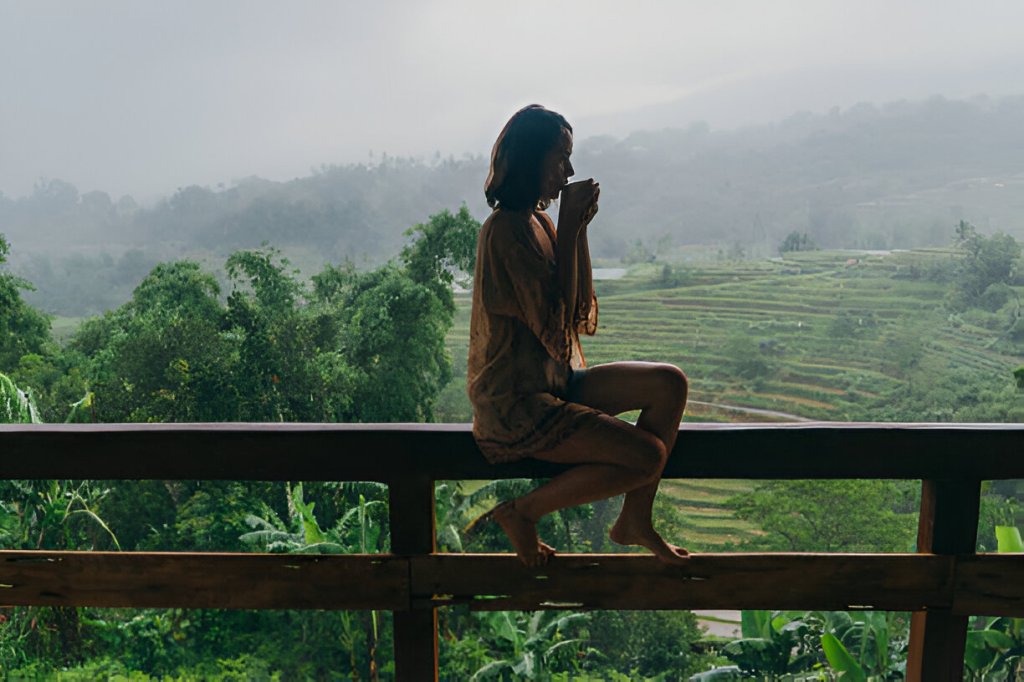
When people hear the word “monsoon,” they often imagine heavy rains, waterlogged streets, cancelled plans, and gloomy skies. For many Indian families planning an international holiday, the idea of travelling to Southeast Asia during the monsoon months (June to October) feels like a bad idea. But here’s the truth: it’s not.
In fact, monsoon in Southeast Asia is one of the most underrated travel seasons for smart, budget-conscious, and experience-seeking travelers. In this blog, we will explore why the monsoon season is not something to avoid but something to embrace—and how it can turn into a memorable vacation.
1. Understanding the Monsoon in Southeast Asia
Before we bust the myth, it’s important to understand what the monsoon in Southeast Asia actually looks like. Unlike how many imagine it, the monsoon does not mean continuous rainfall all day. Most countries like Thailand, Malaysia, Indonesia, and Vietnam experience short bursts of heavy rain, often in the late afternoon or night. The rest of the day is usually sunny or cloudy, making it perfect for sightseeing.
Also, monsoon patterns differ by region. For example:
- Bali (Indonesia) has rain from November to March, not June to October.
- East coast of Thailand (like Koh Samui) gets less rain compared to the west coast.
- Northern Vietnam is actually dry and pleasant from May to September.
So, a little smart planning and destination selection can give you a great holiday even during the so-called “rainy season.”
2. Lower Prices = More Value
One of the biggest advantages of travelling to Southeast Asia during the monsoon is the cost. Airfares, hotel rates, activity bookings, and even food prices are often 30% to 50% cheaper than peak season.
For Indian families, this means you can travel better within your budget. You can stay at luxurious resorts, book private tours, and dine at good restaurants—all for a lower price.
Travel agencies also offer more flexibility in terms of upgrades and discounts during off-season months. This is a great time to get the most value for your money.
3. Fewer Tourists, Better Experience
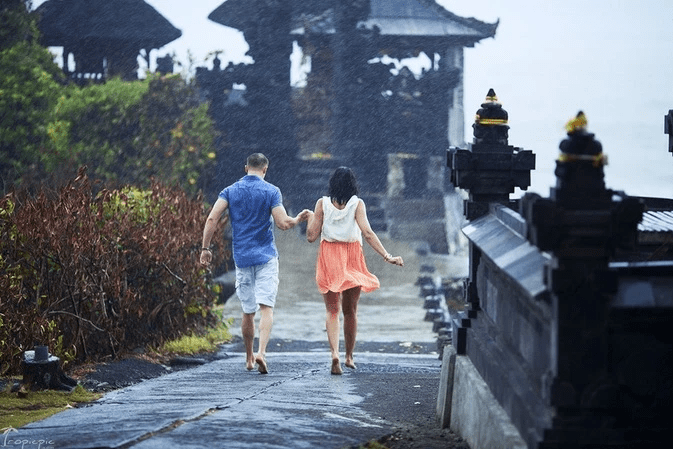
Ever visited a famous beach or temple and felt frustrated by the crowd? In monsoon season, you’ll enjoy less crowded destinations, shorter queues, and a more peaceful experience overall.
Popular tourist spots like Bangkok’s Grand Palace, Bali’s Uluwatu Temple, or Vietnam’s Halong Bay feel completely different when visited without the rush. You get to connect more deeply with the place and enjoy the surroundings at your own pace.
This also means better interaction with locals, more chances for personal stories, and even good deals from vendors who are happy to see travelers during the quieter season.
4. Lush Landscapes and Beautiful Skies
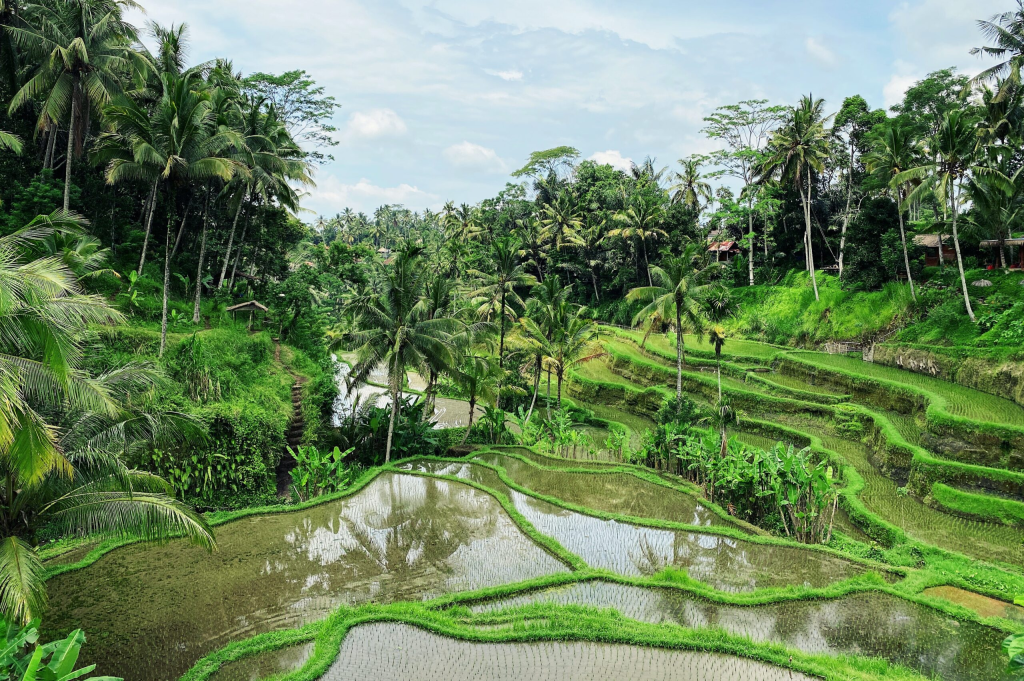
Monsoon brings life to the land. Greenery becomes richer, waterfalls start flowing, and rice fields turn vibrant. For nature lovers and photographers, this season offers breathtaking natural beauty.
In places like:
- Ubud, Bali: The terraced rice fields are at their most stunning.
- Northern Thailand: The mountains around Chiang Mai and Pai are lush and misty.
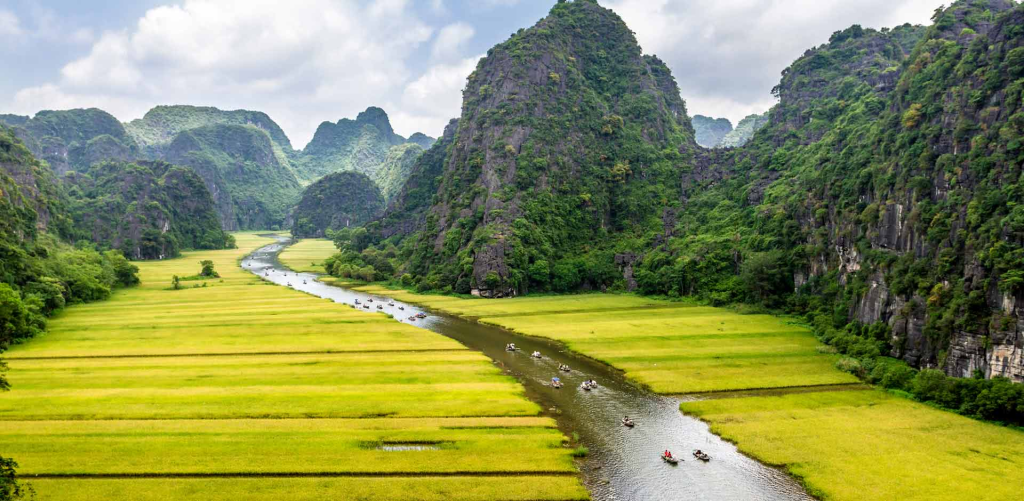
- Vietnam’s countryside: You’ll find dramatic clouds and golden rice paddies.
Even the skies during monsoon create beautiful contrasts. Morning sunshine, afternoon rainbows, and evening lightning storms make the landscape dramatic and photogenic.
5. Cultural and Wellness Retreats
Monsoon is the perfect time for slow travel—relaxing, learning, and engaging in experiences that don’t require constant sunshine.
This is an ideal season to enjoy:
- Cooking classes in Thailand
- Balinese massage and spa experiences
- Yoga retreats in Ubud
- Temple visits and cultural shows in Cambodia
- Boat rides in Vietnam’s rivers
Since it’s off-season, many of these experiences come with more personal attention, smaller groups, and a more authentic feel.
6. Better Availability and Flexibility
During peak tourist season, it can be difficult to find hotel rooms, book tickets to popular shows, or get a table at a nice restaurant. In monsoon, availability is much higher, and cancellation policies are usually more flexible.
This gives you freedom to plan last-minute trips, change your itinerary if needed, and explore places that would normally be booked solid.
7. Unique Local Festivals
You may be surprised to know that monsoon season is also a time for important festivals in Southeast Asia. Attending these festivals can add a special cultural touch to your vacation.
Examples include:
- Bali’s Galungan Festival (dates vary): A beautiful display of Balinese Hindu traditions.
- Ghost Festival in Thailand (June-July): A fun mix of spiritual rituals and costumes.
- Hungry Ghost Festival in Malaysia and Singapore (August): Traditional Chinese ceremonies and performances.
These festivals are less commercial and more local in nature—perfect for travelers looking for authentic cultural experiences.
8. Common Myths vs. Reality
Let’s break down some common misconceptions:
- “It rains all the time.”
Not true. Rain is often for 1–2 hours, mostly in the evening or night. - “You won’t be able to go to the beach.”
Beaches are still accessible, and sometimes better without the crowds. - “You can’t do outdoor activities.”
Most tours and outdoor adventures continue as normal, with flexible rescheduling. - “It’s dangerous to travel during monsoon.”
While you should always check local weather alerts, most destinations are completely safe and tourist-ready even during monsoon.
9. Smart Tips for Monsoon Travel
To make the most of your monsoon vacation in Southeast Asia, here are a few tips:
- Choose your destination carefully. Know which regions have less rain.
- Pack wisely. Carry a light raincoat, umbrella, quick-dry clothes, and waterproof bags.
- Use flexible travel plans. Opt for bookings that allow changes.
- Start your day early. Many rains happen later in the day, so use mornings well.
- Focus on experiences. Even a rainy day can be fun with the right mindset—think of local cafes, spas, museums, or scenic drives.
10. Where to Go in Southeast Asia During Monsoon
Here are a few suggested destinations ideal for travel during monsoon:
- Bali (June–August is actually dry in parts like Uluwatu and Nusa Dua)
- Koh Samui, Thailand (less rain during the western monsoon)
- Central Vietnam (Hoi An, Da Nang)
- Singapore & Kuala Lumpur (short, manageable showers and plenty of indoor activities)
- Chiang Mai, Thailand (lush scenery and festivals)
Final Thought
The monsoon myth has made many travelers avoid one of the best times to explore Southeast Asia. But those who take the leap often find themselves rewarded with cheaper prices, better availability, rich culture, and unforgettable natural beauty.
If you’re looking to plan a family vacation after school exams, don’t overlook Southeast Asia in the monsoon. Instead, embrace it with the right mindset and planning. You might just discover that your best vacation yet comes during the most unexpected season.
 TRAVELZILLA