Traveling to one country is exciting—but imagine exploring two countries in one trip without the need for long-haul flights or major expenses. In Southeast Asia, this is not only possible but also convenient, affordable, and full of adventure. For Indian travelers, especially families planning vacations after exam season, border-hopping is a smart way to experience different cultures, landscapes, and cuisines—all within a short travel time.
In this blog, we’ll explore three popular and practical border-hopping routes in Asia: Singapore–Malaysia, Vietnam–Cambodia, and Thailand–Laos. We’ll cover what to expect, how to plan, and whether it’s worth combining these destinations for a richer travel experience.
1. Singapore–Malaysia: The Most Family-Friendly Combo
Why it works:
Singapore and Malaysia are neighboring countries with excellent infrastructure, making it one of the easiest border crossings in Asia. Indian families love this route because it’s budget-friendly, safe, and filled with attractions for all age groups.
How to travel between them:
You can go from Singapore to Malaysia by bus, private cab, or train. The journey from Singapore to Johor Bahru (Malaysia’s southernmost city) takes around 1 hour. Many tourists travel further to Kuala Lumpur, Malacca, or Langkawi from there.
Top attractions in Singapore:
- Gardens by the Bay
- Universal Studios
- Sentosa Island
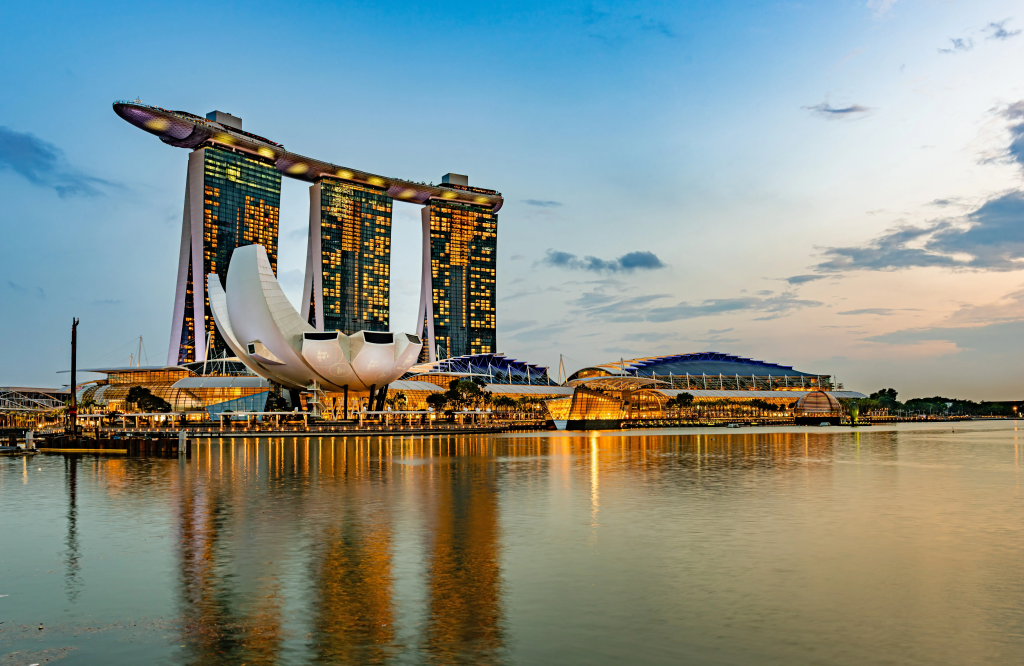
- Marina Bay Sands
- Night Safari
Top attractions in Malaysia:
- Petronas Towers in Kuala Lumpur
- Genting Highlands (great for kids and families)
- Langkawi beaches
- Historical streets of Malacca
- Cameron Highlands tea plantations
Is it worth it?
Yes. Singapore is modern and clean, while Malaysia is vibrant and rich in culture. Together, they offer a perfect mix of modern entertainment and cultural exploration. The cost of travel between the two is low, and visa processes are straightforward for Indian tourists.
2. Vietnam–Cambodia: Culture, History, and Stunning Landscapes

Why it works:
Vietnam and Cambodia are rich in history and have contrasting yet complementary cultures. Traveling between the two gives you the chance to explore ancient temples, war history, French colonial architecture, and lush natural beauty.
How to travel between them:
The most common route is from Ho Chi Minh City (Vietnam) to Phnom Penh (Cambodia), which takes 6–7 hours by road or river boat. You can also fly if you prefer a quicker journey.
Top attractions in Vietnam:
- Ha Long Bay cruises
- Hoi An ancient town
- Cu Chi Tunnels and War Museum in Ho Chi Minh City
- Street food in Hanoi and Ho Chi Minh
- Rice terraces in Sapa
Top attractions in Cambodia:
- Angkor Wat temples in Siem Reap
- Royal Palace in Phnom Penh
- Tonle Sap Lake
- Killing Fields and Genocide Museum (for history-aware travelers)
- Kampot’s pepper plantations and scenic rivers
Is it worth it?
Definitely. Vietnam offers breathtaking landscapes and bustling cities, while Cambodia is known for its ancient temples and deeper historical insights. For Indian families who enjoy history, culture, and slow-paced travel, this border-hop provides a rewarding experience. Travel costs are reasonable, and both countries offer visa-on-arrival or e-visa options for Indians.
3. Thailand–Laos: For the Curious and Adventurous

Why it works:
Thailand is well-known among Indian travelers for its beaches, shopping, and nightlife. But few venture into Laos, a country of mountains, rivers, and peaceful countryside. This route is perfect for travelers looking to go beyond the usual and enjoy something quiet and authentic.
How to travel between them:
From Chiang Rai or Nong Khai (Thailand), you can cross into Luang Prabang or Vientiane (Laos) by bus or overland. There are also budget flights from Bangkok to Vientiane or Luang Prabang.
Top attractions in Thailand:
- Grand Palace and temples in Bangkok
- Beaches of Phuket and Krabi
- Chiang Mai’s old city and night markets
- Elephant sanctuaries in Chiang Rai
- Floating markets and street food
Top attractions in Laos:
- Luang Prabang’s Buddhist temples and French colonial architecture
- Vang Vieng’s caves and blue lagoons
- Kuang Si Waterfalls
- Mekong River cruises
- Night markets and local crafts
Is it worth it?
Yes, especially for travelers looking for something different. Thailand is lively and busy, while Laos is calm and slow-paced. The contrast between the two makes your journey more meaningful. Laos is also one of the most budget-friendly countries in Southeast Asia. However, travel time is slightly longer, so this route is better suited for those with at least 10–12 days for their holiday.
What to Keep in Mind Before You Border-Hop
- Visa Requirements:
Always check visa policies before you travel. Many of these countries offer e-visa or visa-on-arrival for Indian citizens, but it’s best to apply in advance for smoother travel. - Travel Insurance:
Since you’ll be visiting two countries, make sure your insurance covers multi-country travel. - Currency and Language:
Exchange rates differ across borders. Keep a mix of USD and local currency. English is spoken in tourist areas, but basic greetings in the local language can be helpful. - Cultural Sensitivity:
Dress modestly when visiting temples or sacred places. Be respectful of local customs, especially in Laos and Cambodia. - Health & Safety:
Check vaccination requirements. Carry necessary medications. Drink bottled water in both Vietnam and Cambodia.
So, Is Border-Hopping in Asia Worth It?
For Indian families and travelers planning a meaningful, affordable, and memorable vacation after the exam season, border-hopping in Asia is absolutely worth it. Whether you choose the comfort of Singapore–Malaysia, the cultural depth of Vietnam–Cambodia, or the quiet charm of Thailand–Laos, you’ll experience more in one journey—more stories, more flavors, and more memories.
Two countries. One trip. Twice the experience. That’s what smart travel is all about.
 TRAVELZILLA