Have you ever felt an unexplained urge to visit a particular place? A longing for a city, a landscape, or a culture that feels familiar even if you have never been there before? This deep desire to explore, often called wanderlust, is not just a personal preference or a fleeting dream. It is rooted in psychology, neuroscience, and even genetics.
Some people are drawn to vast mountains, while others feel connected to the ocean. Some seek out ancient cities, while others are captivated by modern metropolises. The reasons behind these attractions are more complex than they appear. Science has uncovered several factors that influence why certain destinations call to us.

The Psychology of Travel: Why We Crave Certain Places
The Thrill of the Unknown and the Brain’s Reward System
Human brains are wired to seek novelty. When we experience something new, our brains release dopamine, a neurotransmitter associated with pleasure and motivation. Travel, by exposing us to unfamiliar environments, triggers this chemical reaction, making us feel excited and fulfilled.
People with high levels of dopamine are naturally more inclined to seek out adventure. They crave new experiences, unfamiliar cultures, and the stimulation that comes with travel. This explains why some people constantly feel the need to explore new destinations, while others are more content with routine.
Nostalgia and Emotional Connection to Places
A deep sense of connection to a destination can sometimes come from nostalgia, even if we have never physically been there. Psychologists refer to this as topophilia—an emotional bond between a person and a place. This connection may be influenced by childhood experiences, family history, or even media exposure.
For example, someone who grew up hearing stories about their grandparents’ homeland may feel an inexplicable connection to that country. Similarly, a person who has always been fascinated by a particular historical era may feel drawn to locations associated with it.
Personality and Destination Preferences
Personality traits play a significant role in the types of destinations that attract us. Studies suggest that:
- Introverts are often drawn to remote, nature-focused destinations that offer solitude and tranquility. Places like the Norwegian fjords or the deserts of Namibia appeal to those who seek silence and reflection.
- Extroverts thrive in dynamic, high-energy environments. Bustling cities like New York, Bangkok, or Rio de Janeiro provide the social and sensory stimulation they crave.
- Adventure seekers gravitate toward extreme landscapes and challenging experiences, such as trekking in Patagonia or exploring Iceland’s volcanic terrain.
- History and culture enthusiasts are drawn to places rich in heritage, such as Rome, Kyoto, or Istanbul, where centuries of civilization have left their mark.
The Neuroscience of Wanderlust: How Travel Affects the Brain
The Brain’s ‘Seeking System’ and Its Role in Travel
Neuroscientist Jaak Panksepp identified the “seeking system” in the human brain—an internal drive that pushes us to explore, learn, and search for new experiences. This system is responsible for curiosity, discovery, and the urge to travel.
When we step into a new environment, the brain becomes highly active, processing unfamiliar sights, sounds, and smells. This stimulation keeps the brain engaged, sharp, and adaptable. Research has shown that regular travel can even enhance cognitive flexibility, creativity, and problem-solving skills.
The Psychological Benefits of Travel
Travel is not just about physical movement; it has profound psychological effects. Studies have shown that travel can:
- Reduce stress by removing individuals from their daily routines and responsibilities.
- Improve mental well-being by providing exposure to new perspectives and cultures.
- Strengthen social connections, even for solo travelers, as interactions with locals and fellow travelers create meaningful experiences.
- Boost happiness and life satisfaction by offering a sense of adventure and accomplishment.
The Genetic Link: Is Wanderlust in Our DNA?
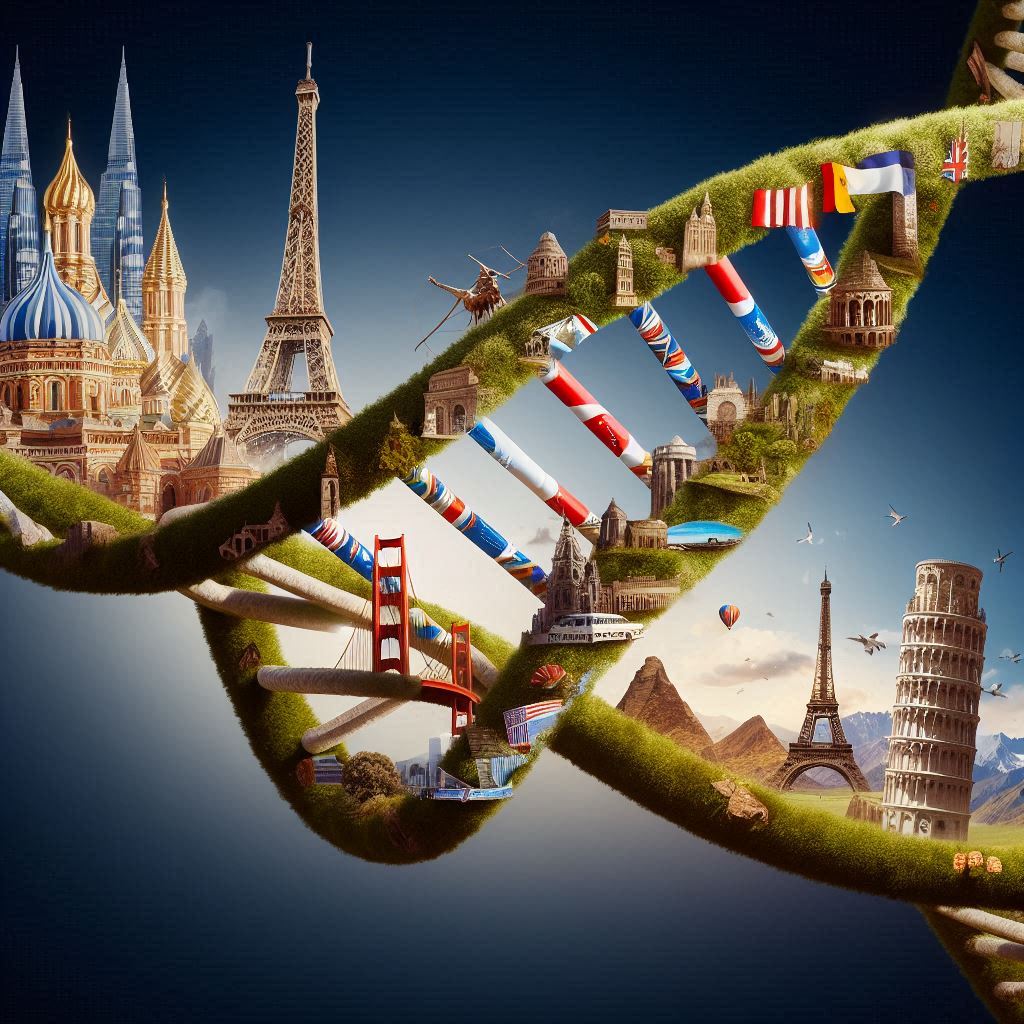
The DRD4-7R ‘Explorer Gene’
Scientists have identified a genetic variation known as DRD4-7R, often referred to as the “wanderlust gene.” This gene is linked to higher levels of curiosity, risk-taking behavior, and a desire for exploration. People with this genetic trait are more likely to seek out new experiences, including travel.
However, not everyone has this gene. Studies suggest that only about 20 percent of the population carries it. This could explain why some people feel an insatiable urge to travel, while others are content staying in familiar surroundings.
Ancestral Memory and Migration Patterns
There is also a theory that individuals may feel a subconscious connection to places where their ancestors once lived. This idea is based on the concept of genetic memory—traits and instincts passed down through generations.
For example, someone with Scandinavian ancestry might feel an unexplained sense of belonging in Norway or Sweden, even if they have no direct family ties to the region. Similarly, people of Mediterranean descent may feel an innate connection to Italy or Greece.
Why Certain Destinations Feel Like They Are Calling You
Cultural and Emotional Resonance
Some destinations resonate deeply because they align with a traveler’s cultural interests, personal values, or life experiences. A person who has always been drawn to music might feel an immediate connection to places known for their musical heritage, such as Havana or New Orleans. Someone fascinated by Buddhist philosophy may feel naturally inclined to visit Tibet or Thailand.
The Role of Geomagnetic Fields and Natural Energy
Some researchers believe that certain places have unique geomagnetic properties that can influence human emotions. Locations such as Machu Picchu, Sedona, and Uluru are often described as having a special energy that visitors can sense, even if they cannot explain why.
The Influence of Media and Storytelling on Wanderlust

While personal experiences and genetics play a significant role in travel preferences, external influences also shape our desires. The way destinations are portrayed in books, movies, social media, and travel blogs affects the way we perceive them.
- Films like “Eat, Pray, Love” have inspired thousands to visit Italy, India, and Bali in search of self-discovery.
- Instagram and travel influencers have made locations like Santorini, Bali, and Iceland highly desirable.
- Travel literature and historical accounts romanticize places like Paris, Cairo, and Kyoto, making them bucket-list destinations.
These external influences can create a strong emotional connection to a place before a person even sets foot there.
The Mystery of Wanderlust: What Calls You?
The desire to travel is shaped by a combination of factors:
- Psychology – Curiosity, personality, and emotional connections influence where we want to go.
- Neuroscience – The brain craves novelty and rewards exploration with feelings of excitement and fulfillment.
- Genetics – Some people may be biologically wired to seek out new experiences.
- Cultural and personal influences – Exposure to media, family history, and past experiences shape our travel desires.
Wanderlust is a deeply personal and often unexplainable force. Whether it is the call of the mountains, the draw of ancient civilizations, or the lure of the ocean, certain places feel like they are meant for us.
Perhaps the real magic of travel lies in its mystery—the way a single place can make us feel at home, even when we are far from it.
 TRAVELZILLA